- +1-707-722-7066
- care@flashtestbio.com
English

Test items: Babesia, B.gibsoni, Anaplasma platys, Lyme, Ehrlichia, M. hemophilic
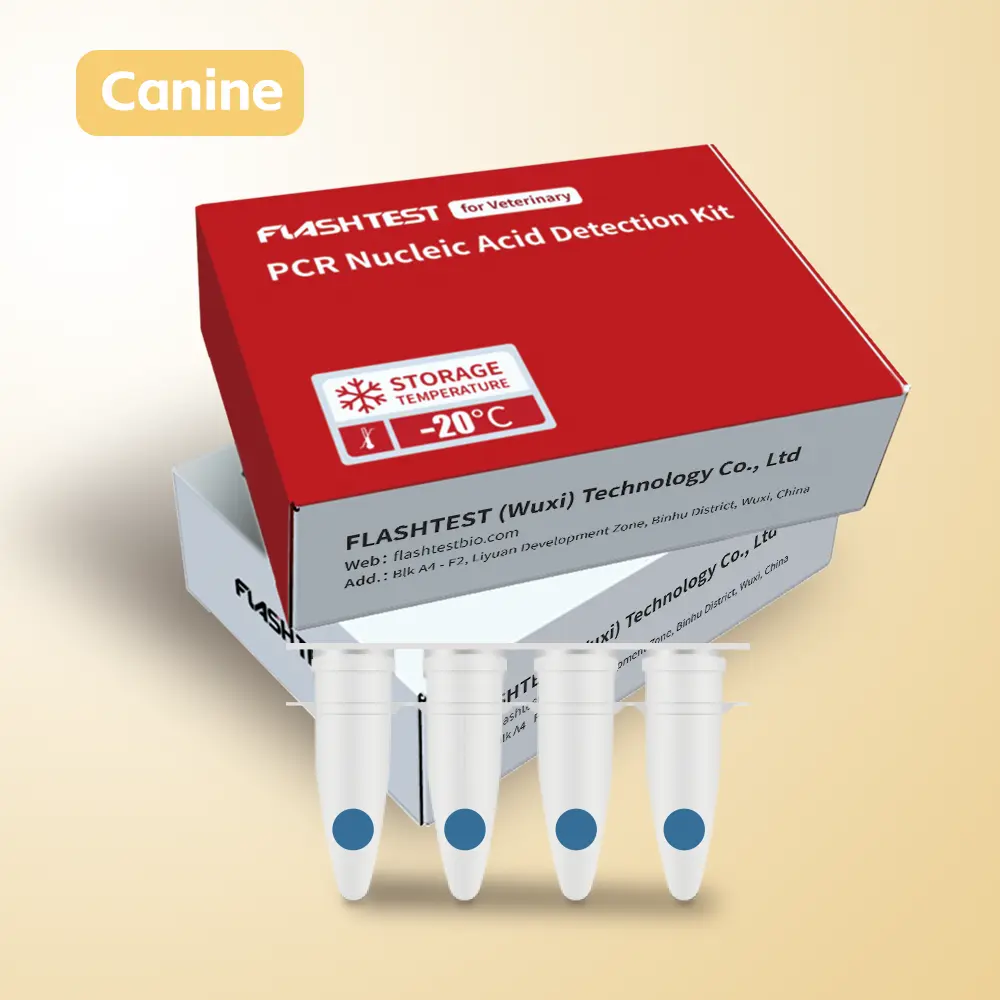
Canine Anemia Ⅵ
Babesia:
It triggers severe anemia and jaundice, which can be fatal and requires rapid treatment.
B.gibsoni:
Babesia gibsoni is another parasite that causes babesiosis in dogs. It is more commonly found in Asian regions. It causes symptoms similar to those of Babesia, including anemia, weakness, and fever. However, its infection is usually more difficult to cure and requires long-term treatment.
Anaplasma platys:
It leads to thrombocytopenia and anemia, manifested as bleeding and fever.
Lyme:
Lyme disease is caused by Borrelia burgdorferi. Ticks are the main transmission vector. Symptoms of Lyme disease include arthritis, lameness, fever, and loss of appetite. In severe cases, it may also affect kidney function.
Ehrlichia:
Ehrlichia is a bacterium transmitted by ticks. After infecting dogs, it causes ehrlichiosis. Symptoms include fever, anemia, weight loss, and bleeding. The disease may progress to a chronic stage and affect the dog's immune system and hematopoiesis.
Mycoplasma hemophilic:
Mycoplasma haemocanis is a bacterium that can attach to the surface of red blood cells, leading to hemolytic anemia in dogs. After infection, dogs will show symptoms such as weakness, difficulty breathing, and fever. In severe cases, it may cause acute anemia.
Clinical Application:
· Accurately identify the cause:
Canine anemia can be caused by multiple pathogens, and the clinical symptoms are difficult to distinguish. This reagent can accurately detect multiple pathogenic factors in a short time, helping veterinarians quickly determine the specific pathogen causing anemia and providing an important basis for subsequent treatment.
Control disease transmission:
Many pathogens that cause canine anemia are infectious, such as Babesia, Anaplasma, and Ehrlichia. These pathogens are usually transmitted through parasites (such as ticks). Through rapid detection and diagnosis, infected individuals can be isolated and treated early to prevent the spread of the disease.

This pet PCR detection reagent screens for pathogens like Babesia, B.gibsoni, Anaplasma platys, Lyme, Ehrlichia canis, and M. haemofelis. It uses drying technology for room-temperature transport and frozen storage. Other key features include:
Disposable pipettes, no transfer gun needed, simplify workflow
Internal control gene for results validation, no guesswork required
Lyophilized format, ambient temperature stable
Small, flexible packaging is available, in order to suit your needs
| Brand | FLASH TEST |
| Product Name | Canine Anemia Ⅵ Nucleic Acid Test Kit (Dry) |
| Product Code/Number | 3058 |
| Specifications | 4Test/ Box |
| Testing Items | Babesia, B.gibsoni, Anaplasma platys, Lyme, Ehrlichia canis, M. haemofelis |
| Testing Targets | DOG |
| Minimum Detection Limit | 500 Copies/mL |
| Precision | The coefficient of variation (CV, %) of the Ct values is ≤5%. |
| Weight | 0.09kg |




For any inquiries or queries regarding our animal lab test kits and in vitro diagnostic devices, please don't hesitate to reach out to us directly or fill out our online form. We are here to assist you and provide prompt responses to your questions.
Tel:
+1-707-722-7066Email:
care@flashtestbio.comAdd:
Blk A4 - F2, Liyuan Development Zone, Binhu District, Wuxi, China![[3015]Canine Parvovirus (CPV)](../uploads/image/20250111/14/Canine-Parvovirus-CPV-Nucleic-Acid-Test-Kit-Lyophilized.webp "[3015]Canine Parvovirus (CPV)")
![[3016]Canine Distemper Virus (CDV)](../uploads/image/20250111/14/Canine-Distemper-Virus-CDVNucleic-Acid-Test-Kit-Lyophilized.webp "[3016]Canine Distemper Virus (CDV)")
![[3052]Respiratory III- Dog (B)](../uploads/image/20250112/09/Respiratory-III--Dog-B-Nucleic-Acid-Test-Kit-Lyophilized.webp "[3052]Respiratory III- Dog (B)")