English
Email

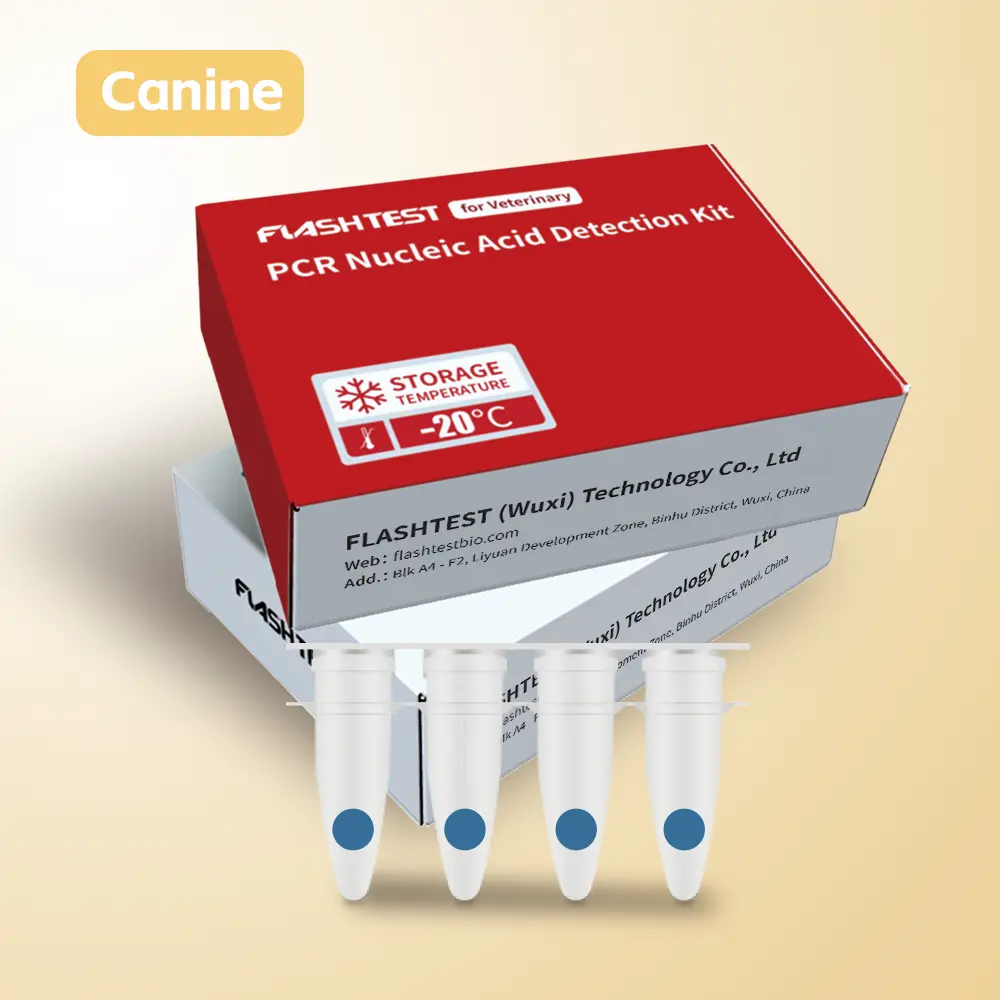
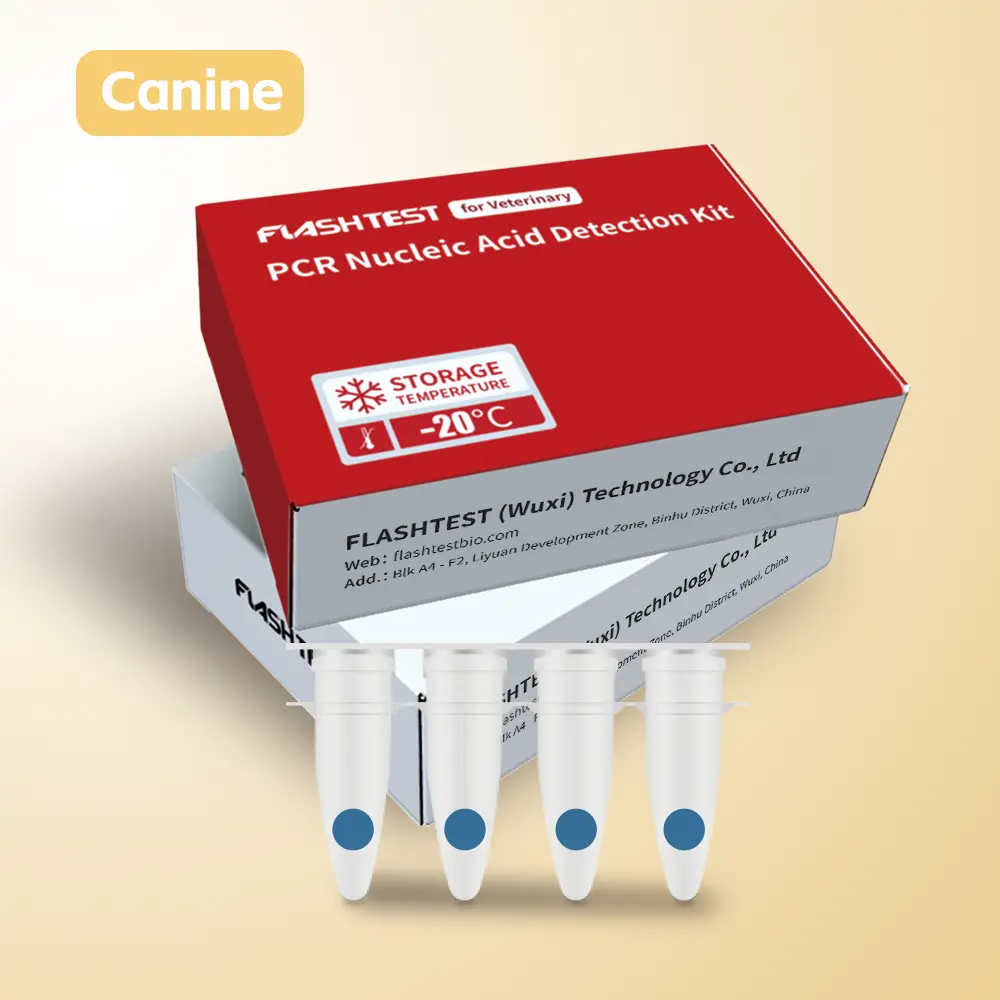
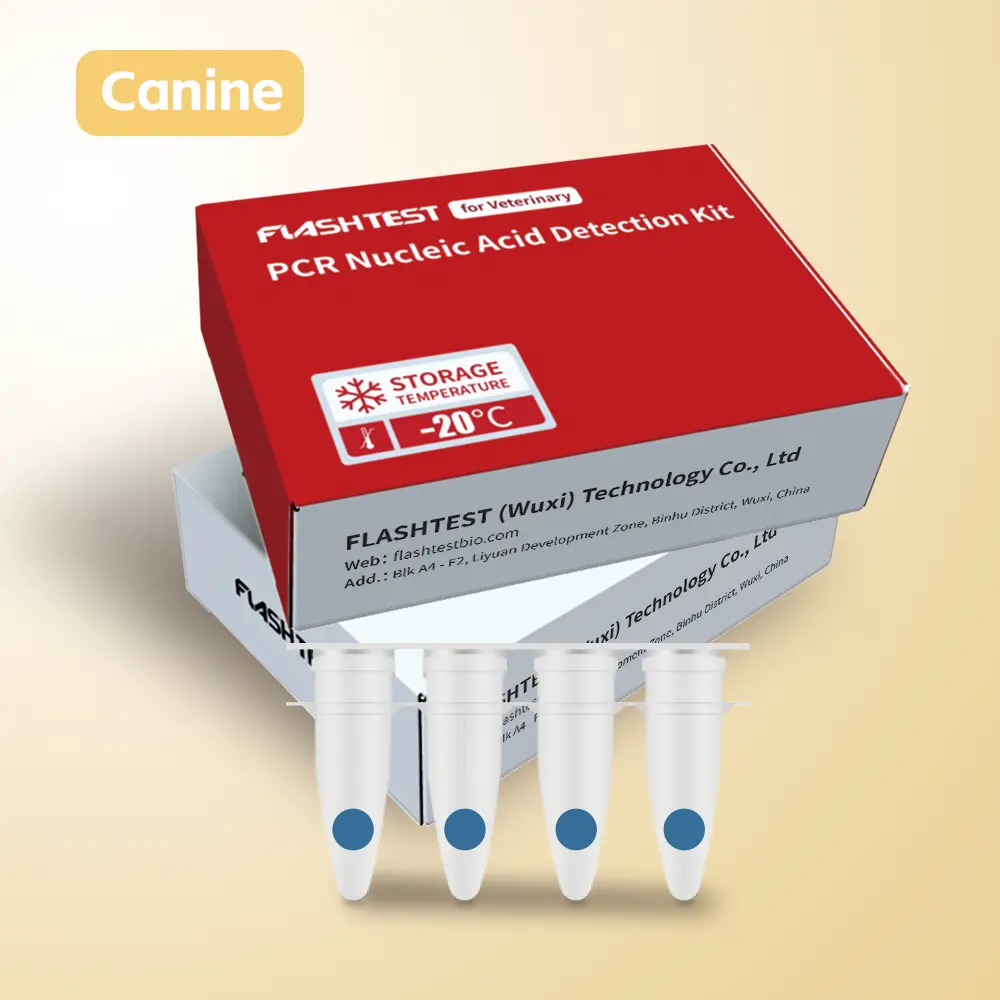
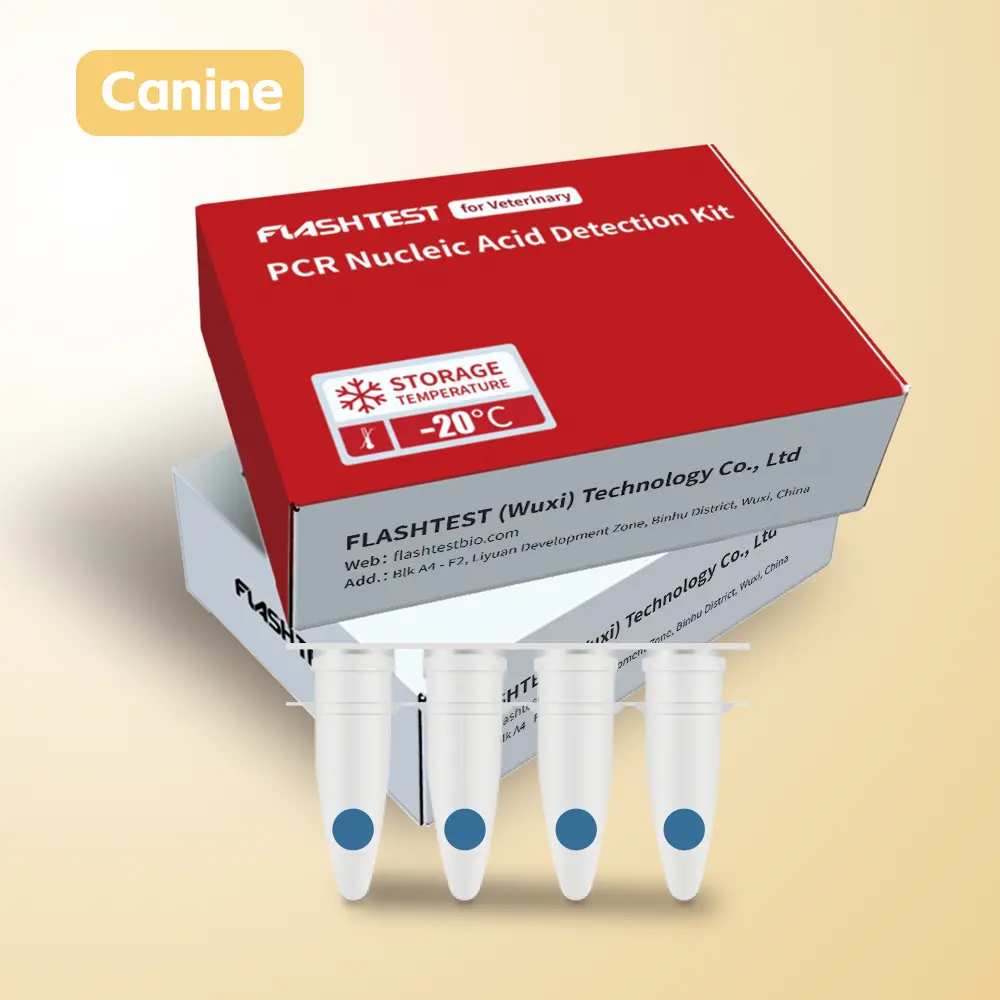
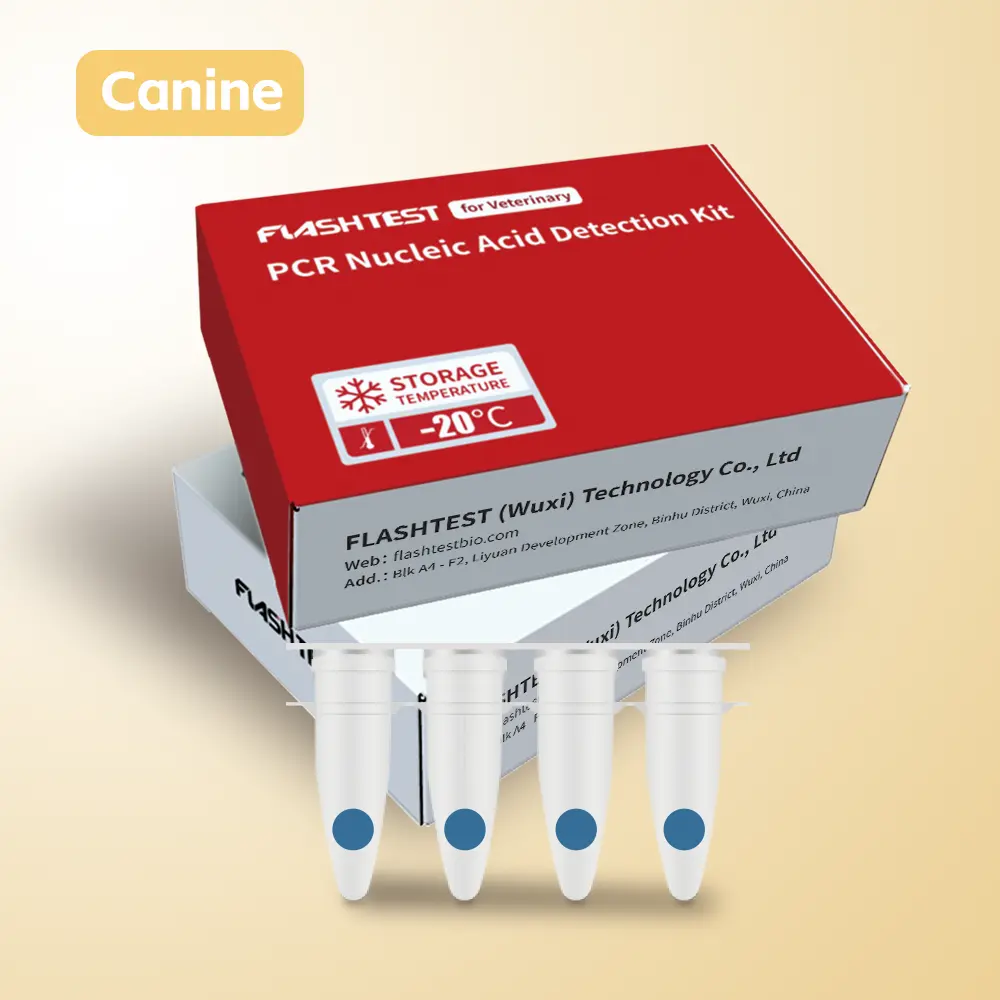
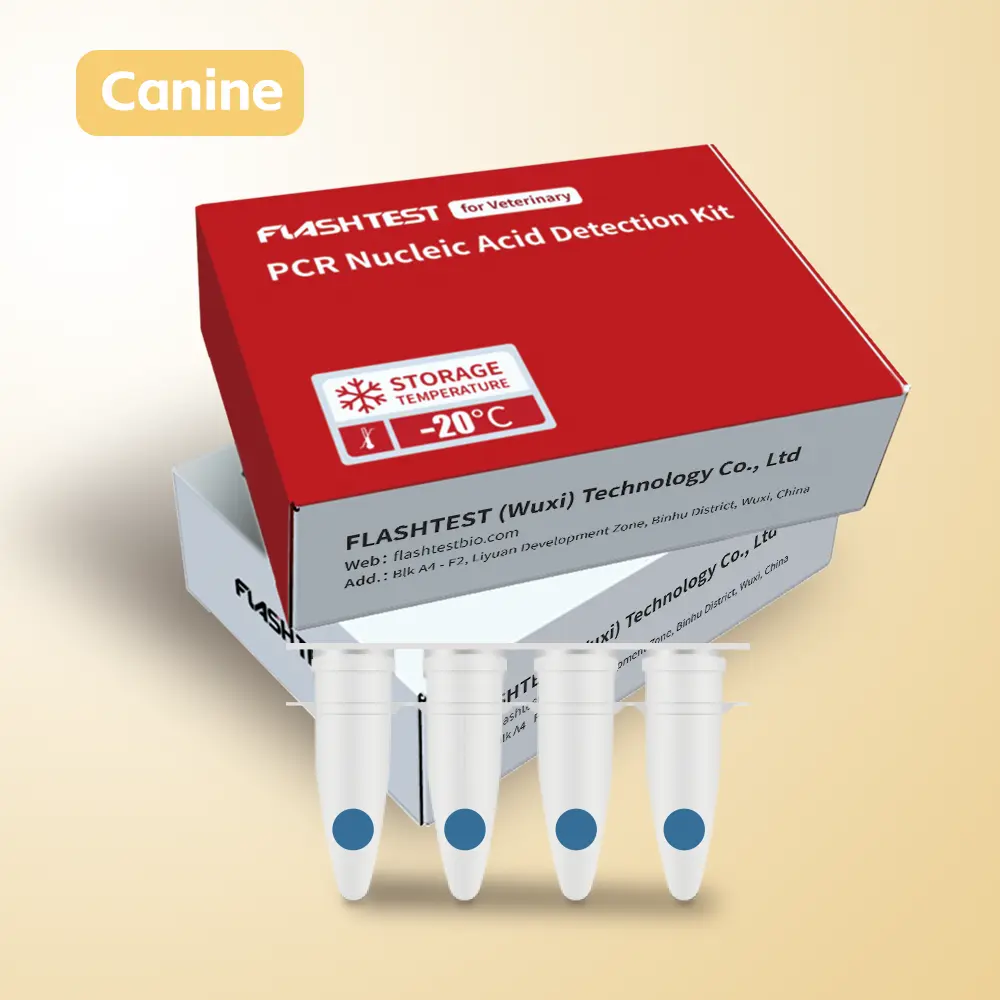
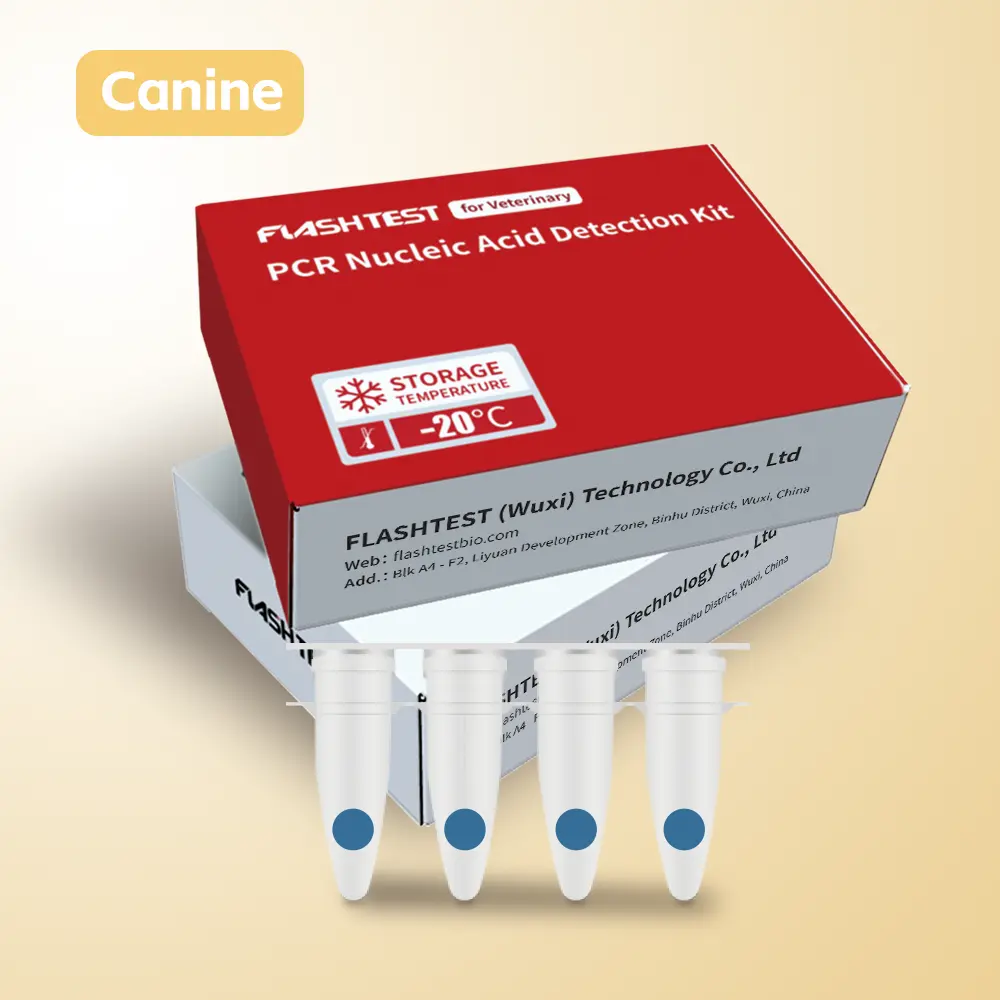
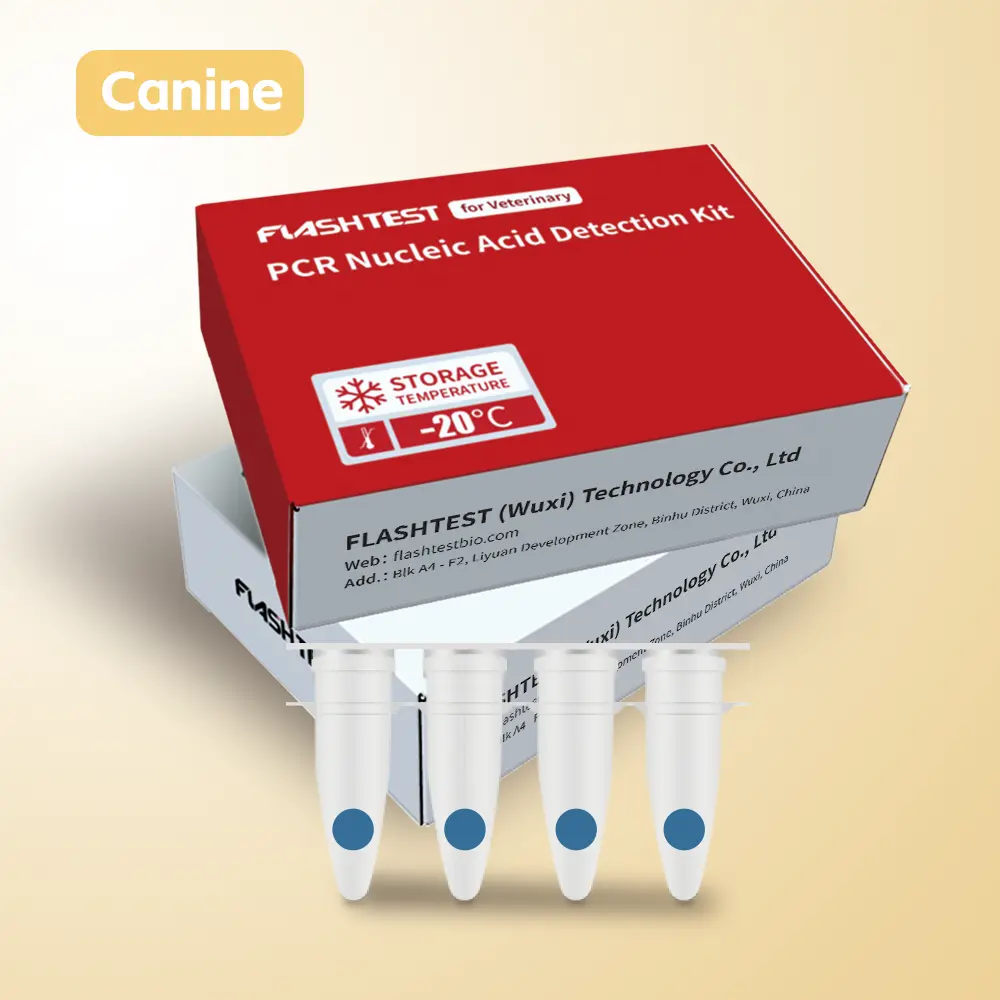
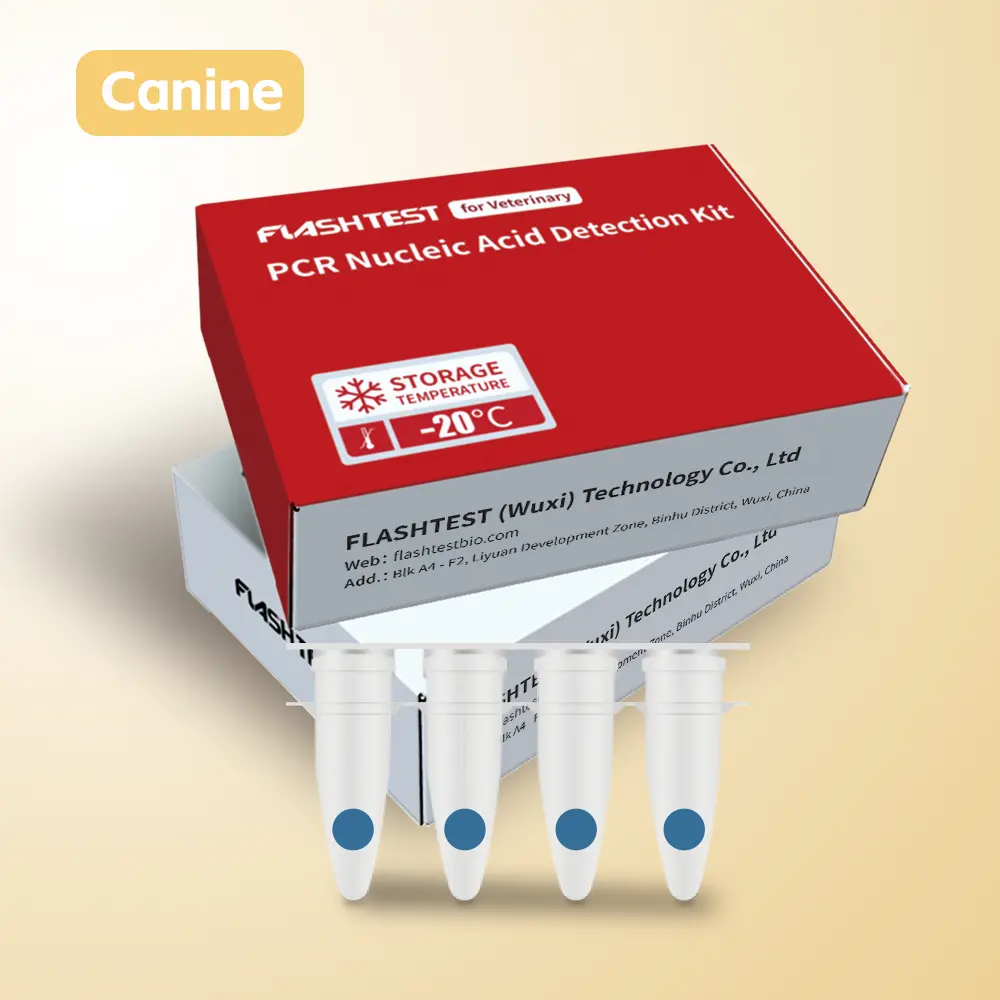
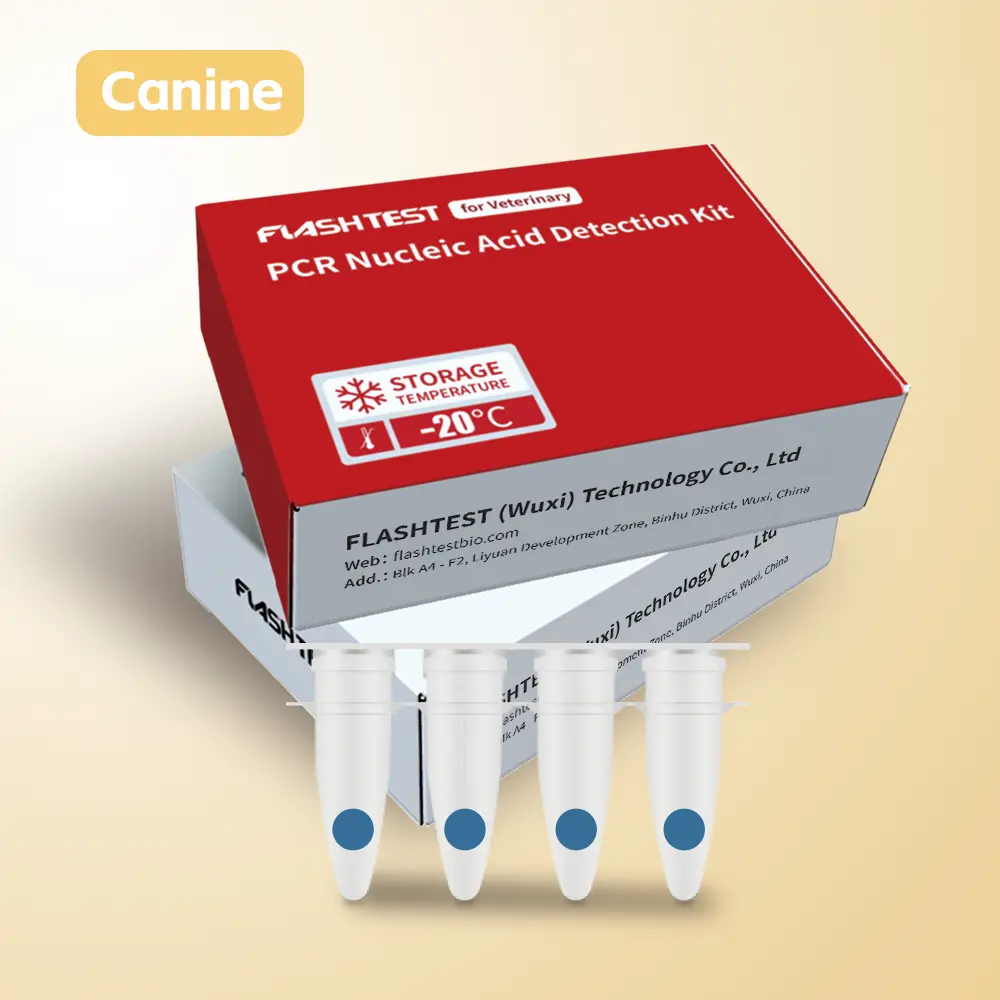
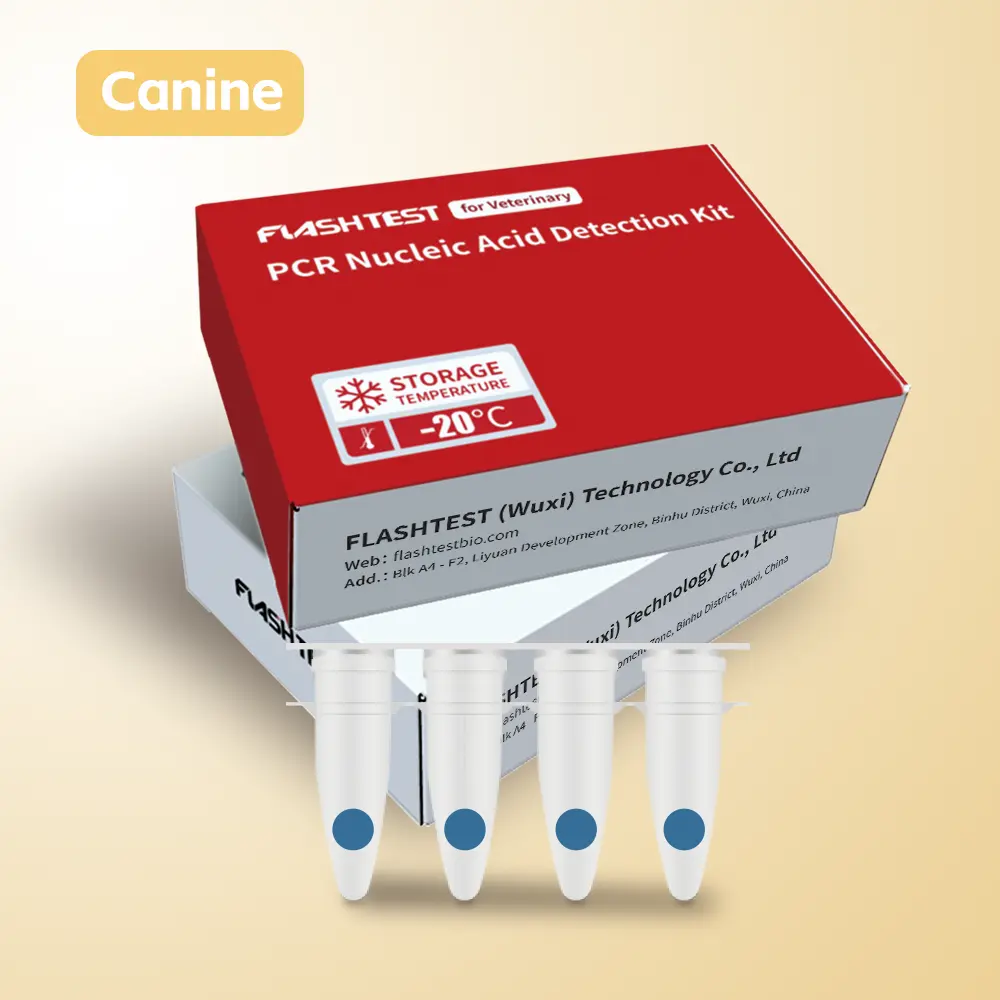
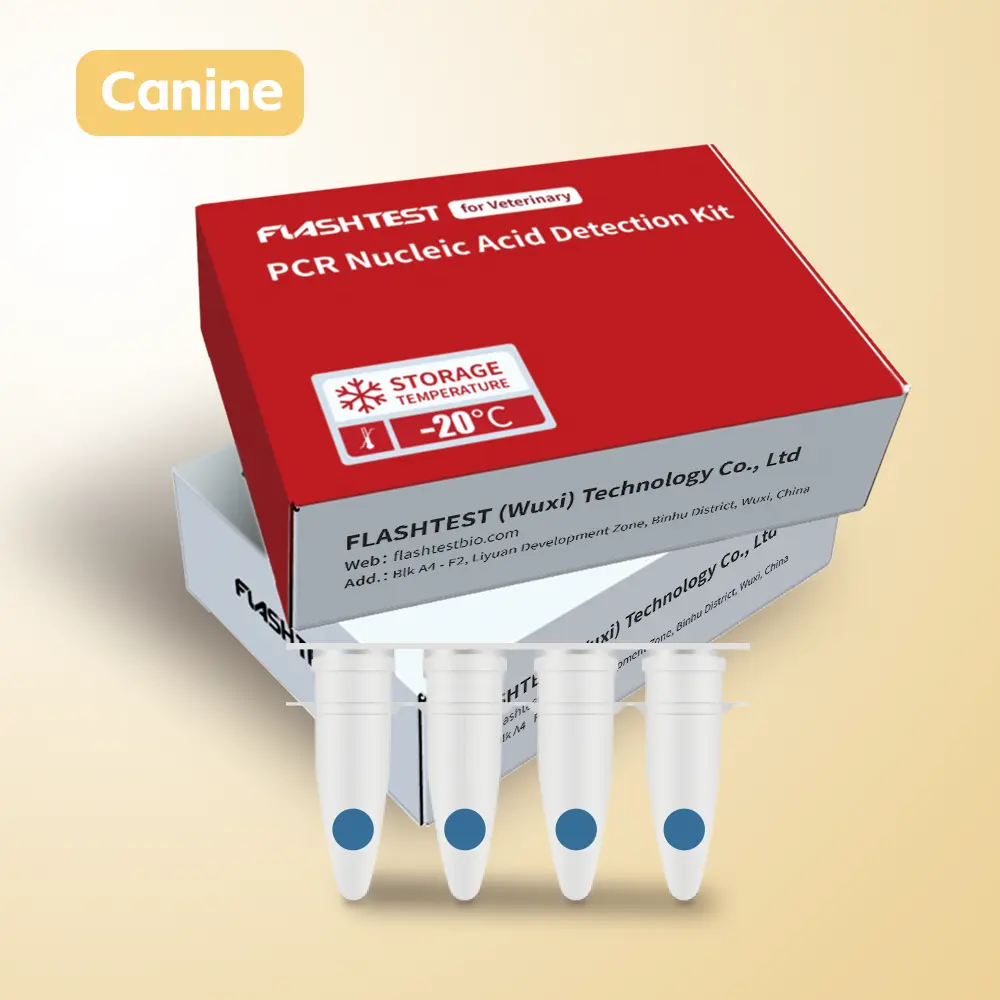
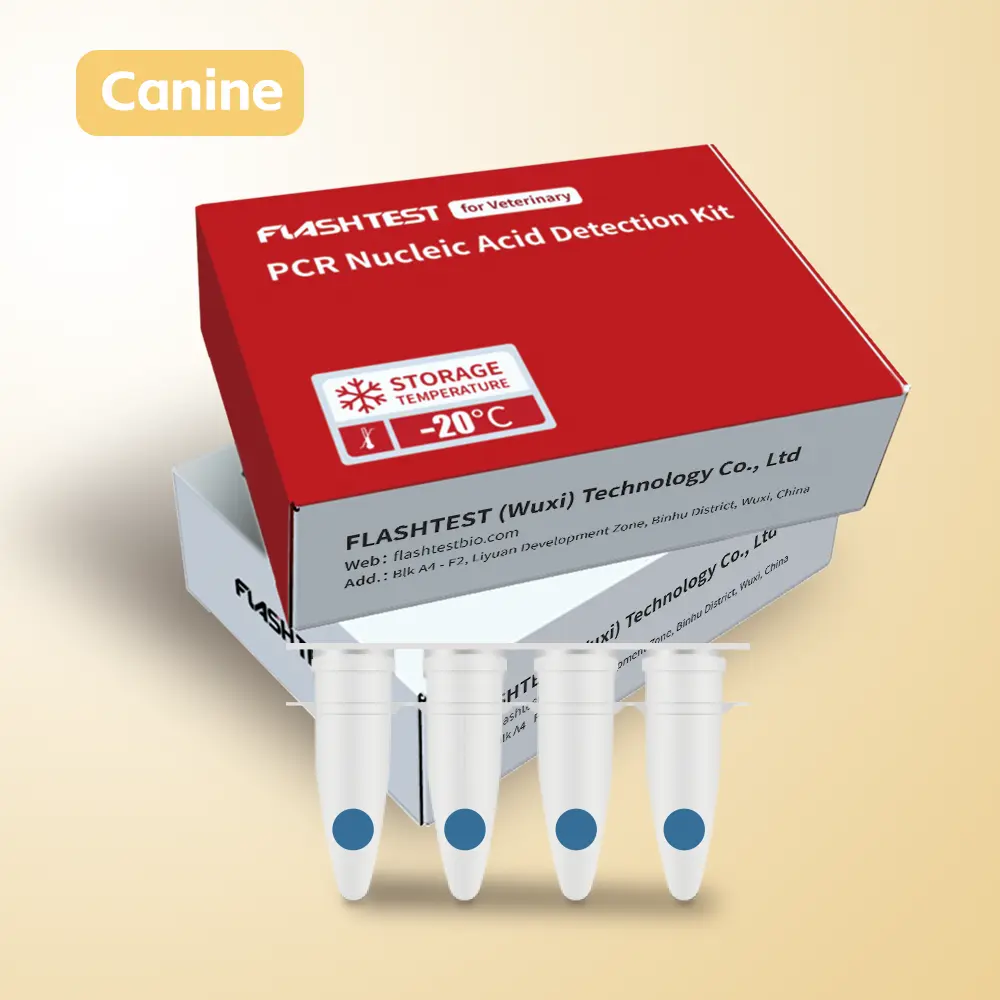
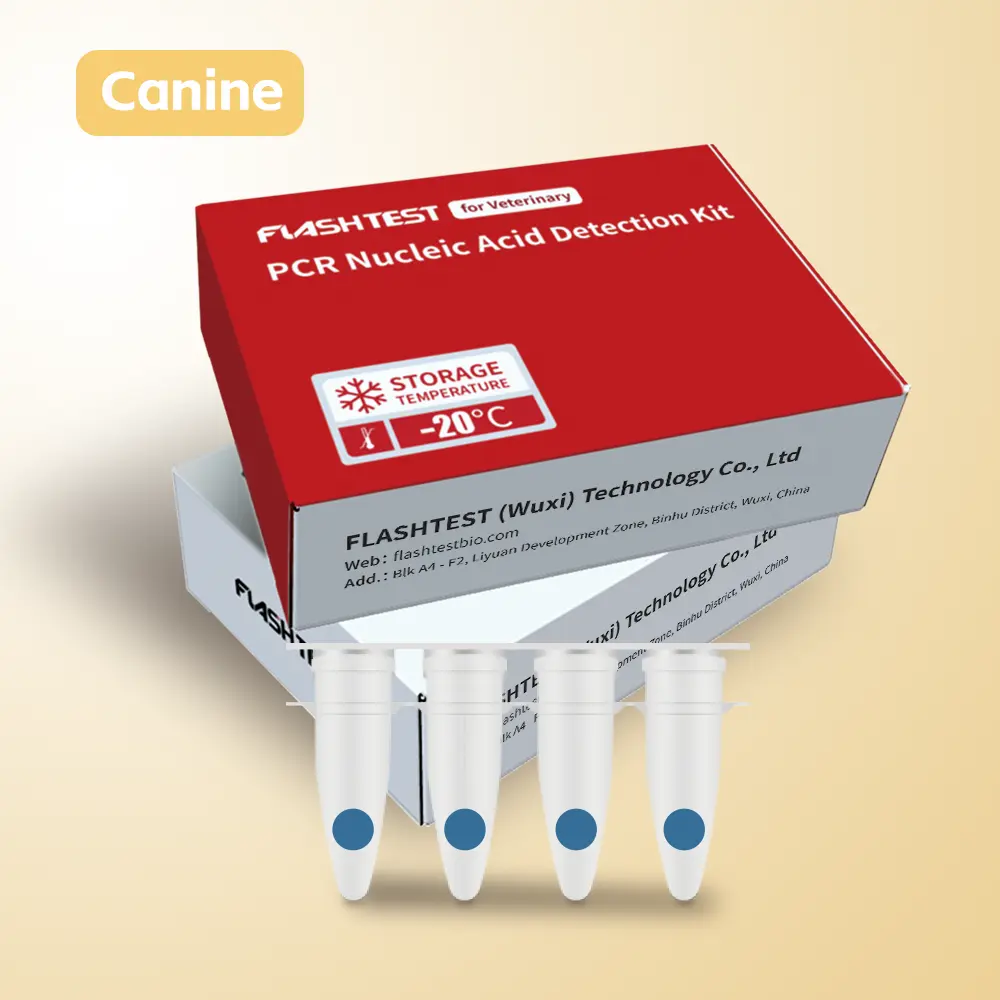
PCR for Canine, also known as Canine PCR, refers to the use of Polymerase Chain Reaction (PCR) technology for the detection and analysis of specific DNA sequences in dogs. It enables accurate identification of genetic markers associated with diseases, traits, and breed composition in canines, aiding in diagnosis, breeding decisions, and personalized healthcare.
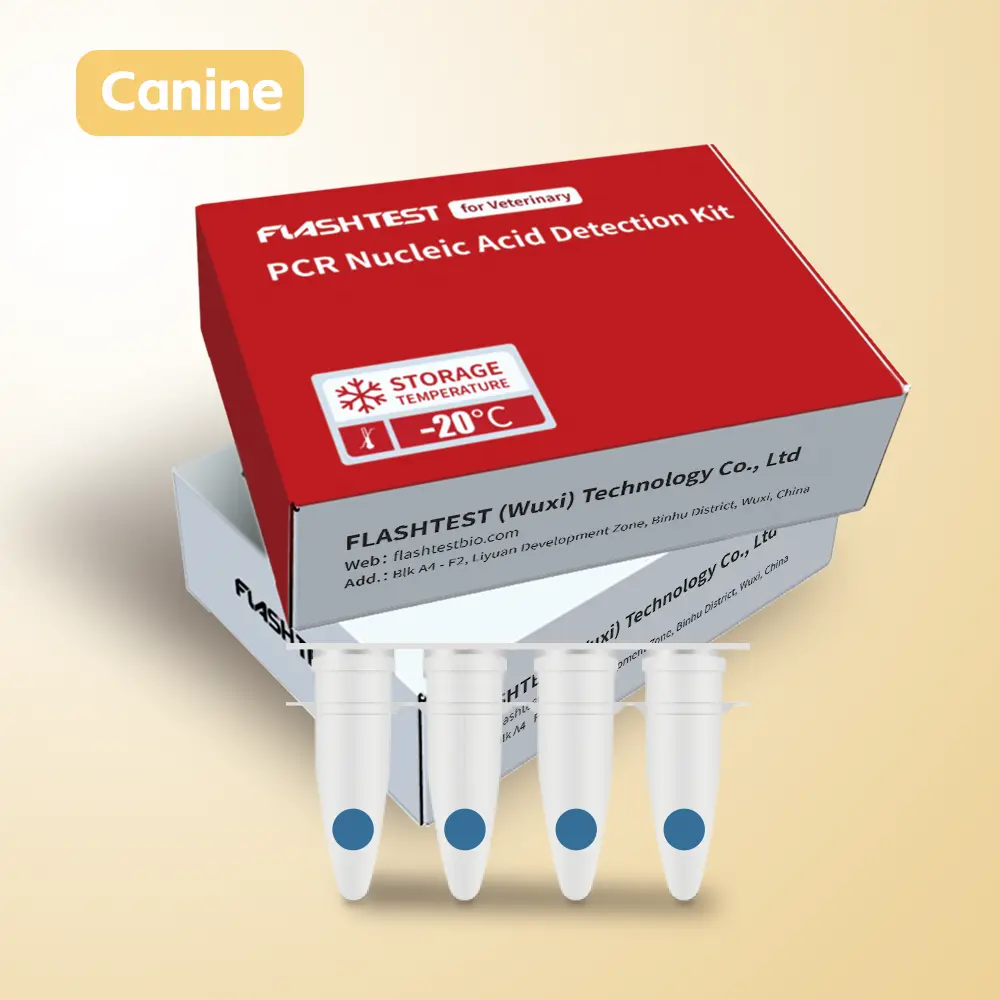
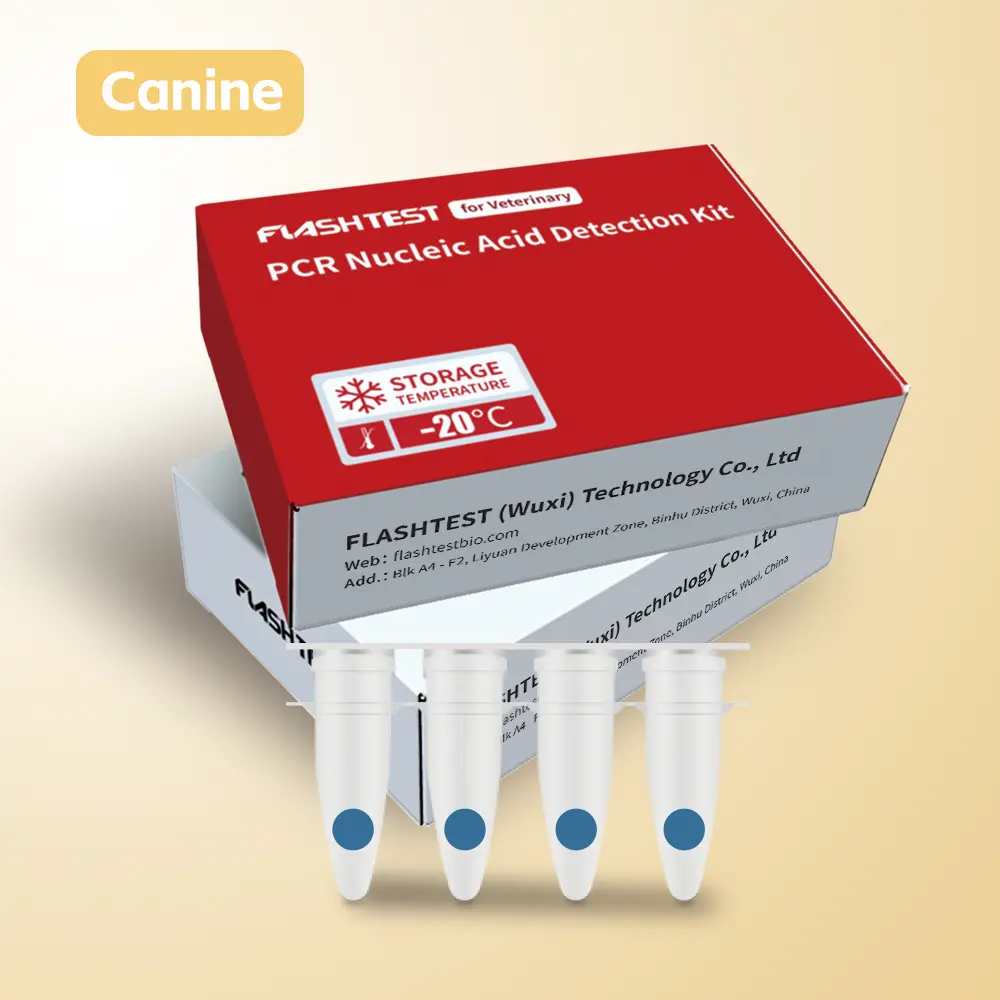
Types of Canine PCR Test Kits

[3013]Canine Gastrointestinal Panel Ⅹ
This test employs PCR to identify the presence of Canine Parvovirus in dogs, assisting in the diagnosis of the highly infectious gastrointestinal illness.
[3015]Canine Parvovirus (CPV)
This test employs PCR to identify the presence of Canine Parvovirus in dogs, assisting in the diagnosis of the highly infectious gastrointestinal illness.
[3016]Canine Distemper Virus (CDV)
This PCR-based test identifies Canine Distemper Virus in dogs, a highly infectious respiratory and neurological illness that can be deadly if left untreated.
[3021]Canine Parvovirus (CPV) / Coronavirus (CCoV)
PCR is used to diagnose Canine Coronavirus, a gastrointestinal illness that causes vomiting and diarrhea in dogs.
[3027]Respiratory III- Dog (A)
Test items: CAV-2, CPIV, Mycoplasma
[3028]Respiratory VII- Dog
Test items: CHV, CAV-2, CPIV, Flu A, CDV, B. bronchiseptica, Mycoplasma
[3057]Canine Diarrhea Ⅳ
Test items: CCoV, GIA, CPV, Cryptosporidium
[3058]Canine Anemia Ⅵ
Test items: Babesia, B.gibsoni, Anaplasma platys, Lyme, Ehrlichia, M. hemophilic
[3062]Canine Bordetella bronchiseptica
PCR distemper test kit is a PCR nucleic acid detection reagent kit used to detect Canine Bordetella bronchiseptica. Real-time PCR technology has the characteristics of fast, sensitive, highly specific...
[3063]Canine Mycoplasma
PCR distemper test kit is a PCR nucleic acid detection reagent kit used to detect Canine Mycoplasma. Real-time PCR technology has the characteristics of fast, sensitive, highly specific, and high accu...
[3070]Canine Parvovirus (CPV)/Canine Distemper Virus (CDV)
PCR is used to diagnose Canine Coronavirus, a gastrointestinal illness that causes vomiting and diarrhea in dogs.
[3071]Leishmania
PCR distemper test kit is a PCR nucleic acid detection reagent kit used to detect Leishmania. Real-time PCR technology has the characteristics of fast, sensitive, highly specific, and high accuracy. U...
[3072]Canine Screening Combo VIII
Test items: CHV, CAV-2, CPIV, Influenza A, CDV, B. bronchiseptica, Mycoplasma, CCoV
[3076]Respiratory V- Dog
Test items: CAV-2, CPIV, CDV, B. bronchiseptica, Mycoplasma
[3079]Canine Screening Combo Ⅹ
Test items: CHV, CAV-2, CPIV, Influenza A, CDV, B. bronchiseptica, Mycoplasma, CCoV, Giardia, CPV
[3084] Canine Travel Combo Ⅶ
Test items: Anaplasma spp, Babesia spp, Ehrlichia spp, Hepatozoon, Leishmania, M. hemophilic, Heartworms
[3085] Canine Neurological Screening Combo Ⅳ
Test items: B. henselae, CDV, Neospora, TOXO
01 019

Role of Canine PCR Test Kits in Viral Infection Diagnosis

PCR plays a crucial role in the diagnosis of canine viral infections.

It allows veterinarians to accurately detect and identify the presence of viral genetic material in a dog's sample, even at low levels. This is particularly important in diagnosing viral infections where traditional diagnostic methods may not be sensitive enough.


By targeting specific viral sequences, PCR can differentiate between different viral pathogens, such as Canine Parvovirus, Canine Distemper Virus, Canine Influenza Virus, and more.


It helps veterinarians confirm the viral cause of symptoms, initiate appropriate treatment, and implement preventive measures to control the spread of the infection. PCR enables rapid and accurate diagnosis, leading to better management and care for dogs affected by viral infections.
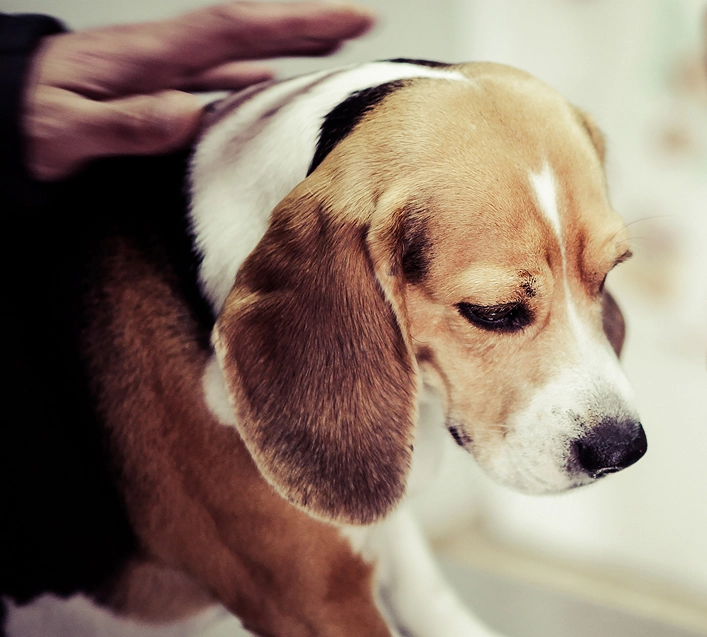

Role of Canine PCR Test Kits in Viral Infection Diagnosis

Why Canine PCR Test Kits Are Needed?

PCR (Polymerase Chain Reaction) is an invaluable tool in veterinary medicine, especially when it comes to diagnosing and managing diseases in dogs.


With PCR, veterinarians can detect the presence of viral, bacterial, or genetic diseases with great accuracy and sensitivity. This means faster and more precise diagnosis, leading to earlier interventions and more effective treatments. PCR can also be used to monitor disease progression, assess treatment efficacy, and identify relapses in dogs with certain diseases.


By using PCR, breeding dogs can be screened for hereditary diseases, helping to prevent the transmission of disease-causing genes and increasing the chances of producing healthy offspring. Overall, PCR plays a crucial role in ensuring the health and well-being of dogs.


Get In Touch With Us Now!

For any inquiries or queries regarding our animal lab test kits and in vitro diagnostic devices, please don't hesitate to reach out to us directly or fill out our online form. We are here to assist you and provide prompt responses to your questions.

Flashtest Blogs
Nov 20-2025
Why Modern Cardiac Troponin T Test Kits Are Essential for Rapid Cardiac Biomarker Screening
Early and accurate identification of cardiac injury has become one of the most critical tasks in emergency departments, outpatient centers, and clinical laboratories. As cardiovascular diseases contin...
Nov 20-2025
Understanding PCR Dog Testing Technology and Its Role in Canine Disease Control
In recent years, molecular diagnostics have reshaped the way veterinarians identify, monitor, and prevent infectious diseases in dogs. Among these diagnostic tools, the PCR dog test stands out as one ...
Nov 20-2025
How Modern Cat Antigen Tests Improve Feline Disease Management
Modern veterinary diagnostics are evolving quickly, and one of the most meaningful advances for pet clinics and cat owners is the improvement of the cat antigen test. As feline viral and bacterial inf...
Home