English
Email

Coronavirus (CoV) Nucleic Acid Test Kit (Lyophilized)

This is a PCR nucleic acid detection reagent kit used to detect Coronavirus (CoV). Real-time PCR technology has the characteristics of fast, sensitive, highly specific and high accuracy. Utilizing this technology and the FLASHTEST PCR reagent kit, it can accurately diagnose whether sheep carry Coronavirus (CoV).
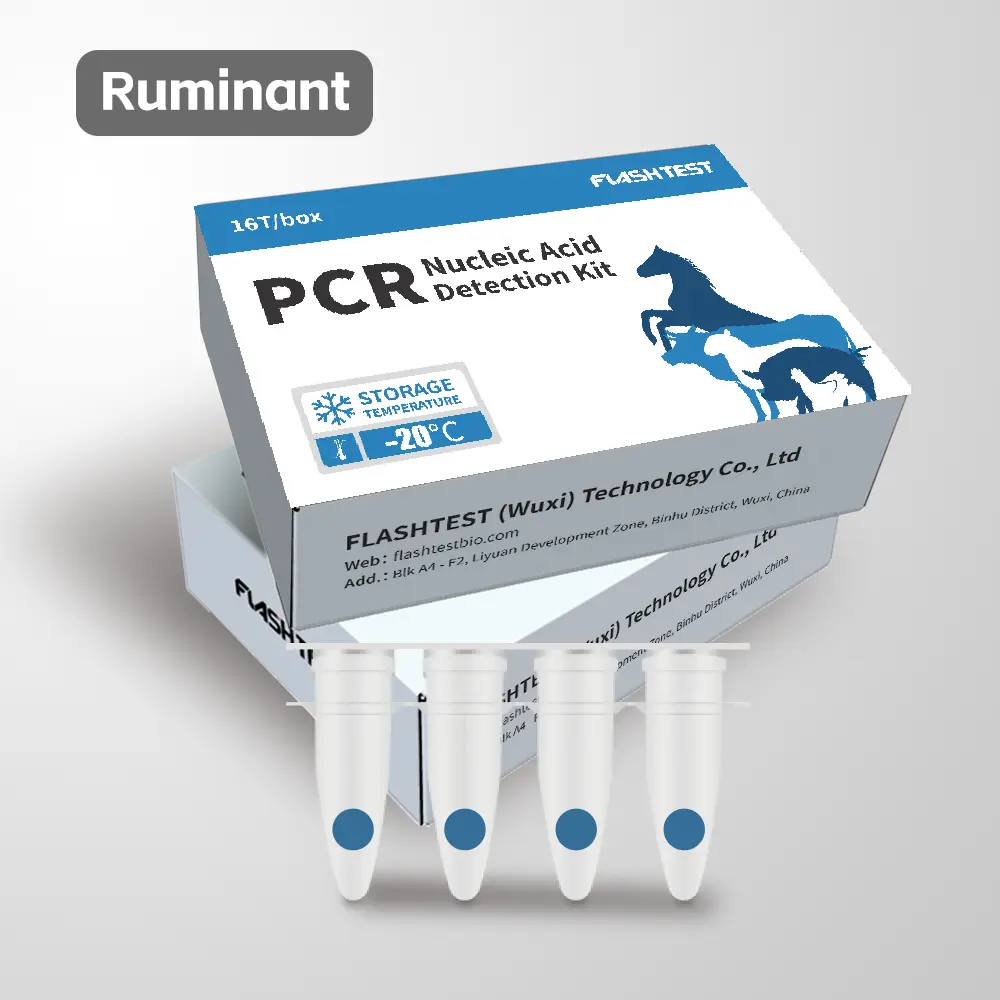

Coronavirus (CoV) Nucleic Acid Test Kit (Lyophilized).webp

Symptoms 

  • Gastrointestinal Symptoms in Infants and Young Children:

    • Diarrhea: This is the most prominent symptom. The diarrhea is usually watery, and can be quite severe, occurring multiple times a day. In severe cases, it may lead to dehydration, which is a major concern, especially in young children. The stools are often foul - smelling and may contain mucus, but usually not blood.

    • Vomiting: Frequent vomiting is common, often occurring in the early stages of the infection. It can start within a few hours after exposure to the virus and may continue for one to two days. The vomiting can contribute to fluid and electrolyte loss, exacerbating the risk of dehydration.

    • Abdominal Pain and Cramps: Affected children may experience abdominal discomfort, pain, and cramps. They may cry or show signs of restlessness due to the discomfort in the abdomen. The pain can range from mild to severe, and may be accompanied by bloating.

  • Systemic Symptoms:

    • Fever: A low - grade to moderate fever (usually around 38 - 39°C) is often present. The fever can contribute to the overall malaise and discomfort of the child. In some cases, the fever may subside as the gastrointestinal symptoms become more prominent.

    • Lethargy and Loss of Appetite: Due to the combination of diarrhea, vomiting, and fever, children often become lethargic, showing a lack of energy and interest in their surroundings. They also have a significant loss of appetite, which can further affect their growth and development, especially if the infection persists.


Clinical Applications

  • Rapid and Accurate Diagnosis: The rotavirus nucleic acid detection reagent enables quick identification of the virus. In a clinical setting, when a child presents with acute diarrhea and vomiting, this reagent can provide a result within a short time, usually within a few hours. This is much faster than traditional methods like virus isolation, which can take several days. The high sensitivity and specificity of the nucleic acid detection reagent ensure accurate diagnosis, reducing the risk of misdiagnosis.

  • Epidemiological Surveillance: In public health, these reagents are used for large - scale surveillance of rotavirus infections. By testing samples from different regions and populations, health authorities can monitor the prevalence, seasonality, and genetic variability of rotavirus strains. This information is crucial for predicting outbreaks, evaluating the effectiveness of vaccination programs, and developing appropriate public health strategies.

  • Differential Diagnosis: Since the symptoms of rotavirus infection can be similar to those caused by other pathogens such as norovirus, adenovirus, or bacterial infections like Salmonella or Campylobacter, the nucleic acid detection reagent plays a vital role in differential diagnosis. It helps doctors accurately identify the causative agent, allowing for targeted treatment and management. For example, if a child has diarrhea, the detection reagent can quickly determine whether rotavirus is the culprit, rather than other possible pathogens, which is important for appropriate treatment decisions.

  • Monitoring Treatment Efficacy: In cases where children are being treated for rotavirus - related diarrhea, the nucleic acid detection reagent can be used to monitor the clearance of the virus. By testing stool samples at different time points during treatment, doctors can assess whether the treatment is effective in eliminating the virus from the body. This can help in adjusting the treatment plan if necessary.


02.jpg

Features of Coronavirus (CoV)

This farm animals PCR detection reagent screens for pathogens like Coronavirus (CoV). It uses drying technology for normal temperature transportation and frozen storage. Other key features include:

  • Disposable pipette, stable pipettor, simplified workflow

  • Internal reference genes are used to verify results, eliminating the need for guessing.

  • Freeze-dried form, transported at room temperature

  • Available in small, flexible packaging that can be ordered according to your needs


Specification of Rotavirus (RVA)

BrandFLASH TEST
Product NameCoronavirus (CoV) Nucleic Acid Test Kit (Lyophilized)
Product Code/Number3319
Specifications16Test/ Box
Testing ItemsCoronavirus (CoV)
Testing TargetsRuminant
Minimum Detection Limit500 Copies/mL
PrecisionThe coefficient of variation (CV, %) of the Ct values is ≤5%.
Weight0.4kg


Product
Contact With Us
Tel:
+1-707-722-7066
Add:
Blk A4 - F2, Liyuan Development Zone, Binhu District, Wuxi, China

For any inquiries or queries regarding our animal lab test kits and in vitro diagnostic devices, please don't hesitate to reach out to us directly or fill out our online form. We are here to assist you and provide prompt responses to your questions.

Flashtest Blogs
Nov 20-2025
Why Modern Cardiac Troponin T Test Kits Are Essential for Rapid Cardiac Biomarker Screening
Early and accurate identification of cardiac injury has become one of the most critical tasks in emergency departments, outpatient centers, and clinical laboratories. As cardiovascular diseases contin...
Nov 20-2025
Understanding PCR Dog Testing Technology and Its Role in Canine Disease Control
In recent years, molecular diagnostics have reshaped the way veterinarians identify, monitor, and prevent infectious diseases in dogs. Among these diagnostic tools, the PCR dog test stands out as one ...
Nov 20-2025
How Modern Cat Antigen Tests Improve Feline Disease Management
Modern veterinary diagnostics are evolving quickly, and one of the most meaningful advances for pet clinics and cat owners is the improvement of the cat antigen test. As feline viral and bacterial inf...
Home