English
Email

Pseudorabies gB Virus (PRV-gB)/Pseudorabies gE Virus (PRV-gE) Nucleic Acid Test Kit (Lyophilized)

This is a PCR nucleic acid detection reagent kit used to detect Pseudorabies gB virus (PRV-gB) / Pseudorabies gE virus (PRV-gE). Real-time PCR technology has the characteristics of fast, sensitive, highly specific and high accuracy. Utilizing this technology and the FLASHTEST PCR reagent kit, it can accurately diagnose whether pigs carryPseudorabies gB virus (PRV-gB) / Pseudorabies gE virus (PRV-gE).
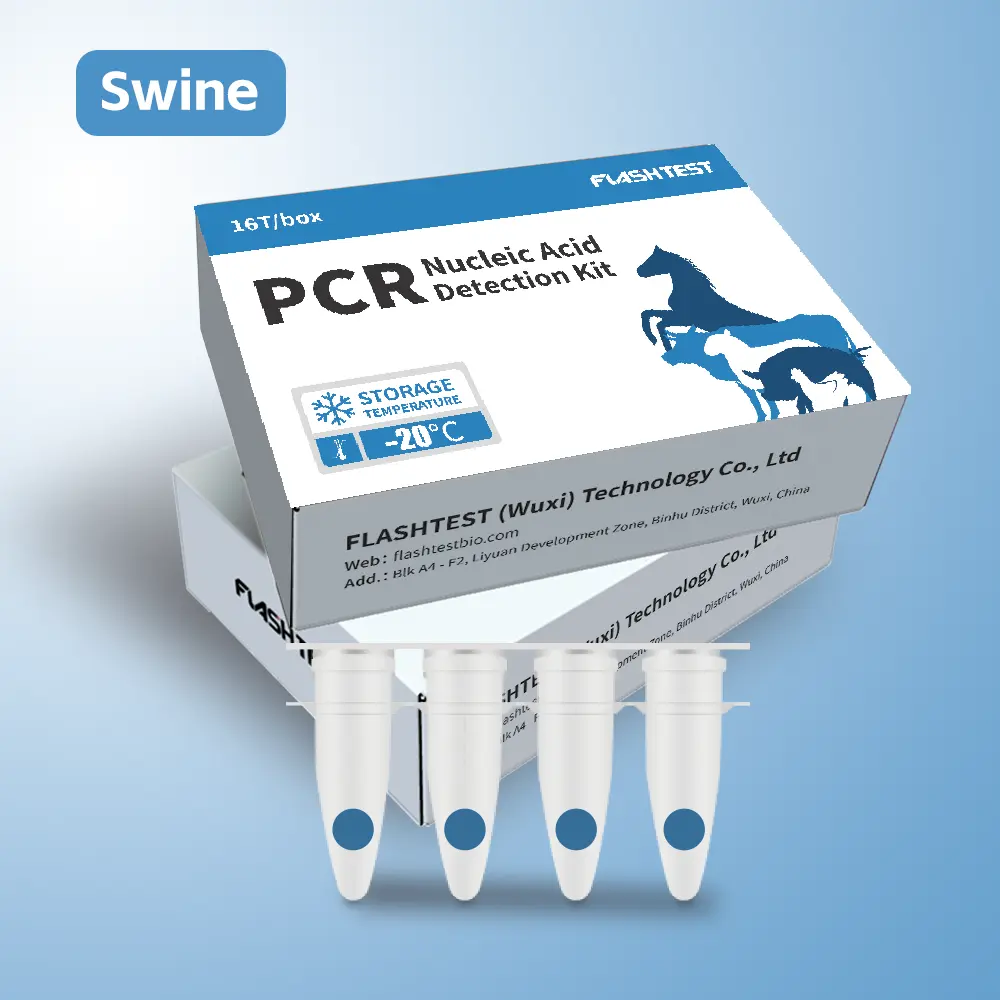
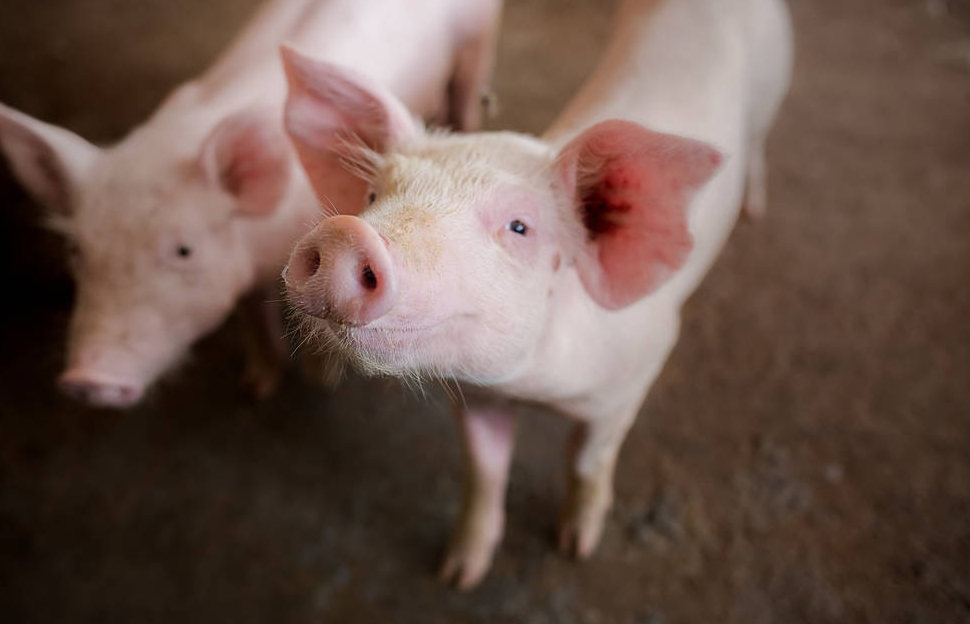
Pseudorabies gB Virus (PRV-gB)Pseudorabies gE Virus (PRV-gE) Nucleic Acid Test Kit (Lyophilized).web
Porcine pseudorabies virus (PRV) is a highly contagious herpesvirus that has a significant impact on the swine industry. The PRV - gB/gE nucleic acid detection reagent is developed to detect the glycoprotein B (gB) and glycoprotein E (gE) genes of PRV.
Glycoprotein B is an essential structural protein of PRV, playing a crucial role in virus - host cell adhesion, penetration, and membrane fusion processes. It is conserved among different PRV strains and is present in both wild - type and vaccine - strain viruses. On the other hand, glycoprotein E is a non - essential virulence factor for PRV replication in vitro, but it is vital for virus spread in the nervous system in vivo. Most attenuated vaccines are engineered to lack the gE gene, making it a key marker for differentiating wild - type virus infections from vaccinated animals.
This detection reagent typically uses real - time fluorescence quantitative PCR (qPCR) technology. Specific primers and probes are designed based on the unique nucleic acid sequences of the gB and gE genes. During the qPCR amplification process, if the target nucleic acids of gB and gE are present in the sample, the primers will bind to them. As DNA strands are extended, fluorescent signals are generated and amplified. The qPCR instrument can precisely monitor these signals in real - time, enabling the accurate detection of PRV and the differentiation between wild - type and vaccine - strain infections.


Clinical Applications

  1. Comprehensive Disease Detection in Swine Farms:In routine swine farm management, when pigs show symptoms like fever, neurological disorders, or respiratory problems, the PRV - gB/gE nucleic acid detection reagent can be used for comprehensive diagnosis. By collecting samples such as nasal swabs, tonsil tissues, or blood from sick pigs, veterinarians can quickly determine whether PRV is present and whether it is a wild - type or vaccine - related strain. For example, in a swine farm where some piglets are experiencing tremors and abnormal behavior, using this reagent can help identify the cause accurately, facilitating timely isolation and treatment of infected pigs.

  2. Epidemic Surveillance and Prevention:For regions with a high prevalence of PRV or areas at risk of outbreaks, regular surveillance using the PRV - gB/gE nucleic acid detection reagent is essential. By testing samples from multiple swine farms in the area, local agricultural departments and veterinary institutions can monitor the prevalence and distribution of different PRV strains. If wild - type PRV is detected, immediate prevention and control measures can be implemented, such as strengthening biosecurity in pig farms, vaccinating susceptible pigs, and culling infected animals. This helps to effectively contain the spread of the virus and minimize economic losses.

  3. Vaccine Efficacy Evaluation:In swine farms that have implemented PRV vaccination programs, the PRV - gB/gE nucleic acid detection reagent can be used to evaluate the effectiveness of vaccines. After vaccination, testing pigs at regular intervals can determine whether the vaccine has successfully induced an immune response and whether there is still wild - type virus circulation in the herd. If vaccinated pigs still test positive for the gE gene, it may indicate a vaccine failure or wild - type virus infection, prompting adjustments to the vaccination strategy.

  4. Research on PRV Biology and Pathogenesis:For scientific research on PRV, the PRV - gB/gE nucleic acid detection reagent is an important tool. It allows researchers to study the genetic characteristics, evolution, and pathogenic mechanisms of different PRV strains. By analyzing a large number of clinical samples, they can gain a deeper understanding of how the virus infects pigs, how it spreads, and how the host immune system responds. This knowledge is crucial for the development of more effective vaccines, antiviral drugs, and prevention and control strategies.


11.png

Features of Pseudorabies gB Virus (PRV-gB)/Pseudorabies gE Virus (PRV-gE)

This farm animals PCR detection reagent screens for pathogens like Pseudorabies gB virus (PRV-gB) / Pseudorabies gE virus (PRV-gE). It uses drying technology for normal temperature transportation and frozen storage. Other key features include:

  • Disposable pipette, stable pipettor, simplified workflow

  • Internal reference genes are used to verify results, eliminating the need for guessing.

  • Freeze-dried form, transported at room temperature

  • Available in small, flexible packaging that can be ordered according to your needs


Specification of Pseudorabies gB Virus (PRV-gB)/Pseudorabies gE Virus (PRV-gE)

BrandFLASH TEST
Product NamePseudorabies gB virus (PRV-gB) / Pseudorabies gE virus (PRV-gE) Nucleic Acid Test Kit (Lyophilized)
Product Code/Number3211
Specifications16Test/ Box
Testing ItemsPseudorabies gB virus (PRV-gB) / Pseudorabies gE virus (PRV-gE)
Testing TargetsSwine
Minimum Detection Limit500 Copies/mL
PrecisionThe coefficient of variation (CV, %) of the Ct values is ≤5%.
Weight0.4kg


Product
Contact With Us
Tel:
+1-707-722-7066
Add:
Blk A4 - F2, Liyuan Development Zone, Binhu District, Wuxi, China

For any inquiries or queries regarding our animal lab test kits and in vitro diagnostic devices, please don't hesitate to reach out to us directly or fill out our online form. We are here to assist you and provide prompt responses to your questions.

Flashtest Blogs
Nov 20-2025
Why Modern Cardiac Troponin T Test Kits Are Essential for Rapid Cardiac Biomarker Screening
Early and accurate identification of cardiac injury has become one of the most critical tasks in emergency departments, outpatient centers, and clinical laboratories. As cardiovascular diseases contin...
Nov 20-2025
Understanding PCR Dog Testing Technology and Its Role in Canine Disease Control
In recent years, molecular diagnostics have reshaped the way veterinarians identify, monitor, and prevent infectious diseases in dogs. Among these diagnostic tools, the PCR dog test stands out as one ...
Nov 20-2025
How Modern Cat Antigen Tests Improve Feline Disease Management
Modern veterinary diagnostics are evolving quickly, and one of the most meaningful advances for pet clinics and cat owners is the improvement of the cat antigen test. As feline viral and bacterial inf...
Home