English
Email

Sheep Orf Virus (ORFV) Nucleic Acid Test Kit (Lyophilized)

This is a PCR nucleic acid detection reagent kit used to detect Sheep Orf virus (ORFV). Real-time PCR technology has the characteristics of fast, sensitive, highly specific and high accuracy. Utilizing this technology and the FLASHTEST PCR reagent kit, it can accurately diagnose whether sheep carry Sheep Orf virus (ORFV).
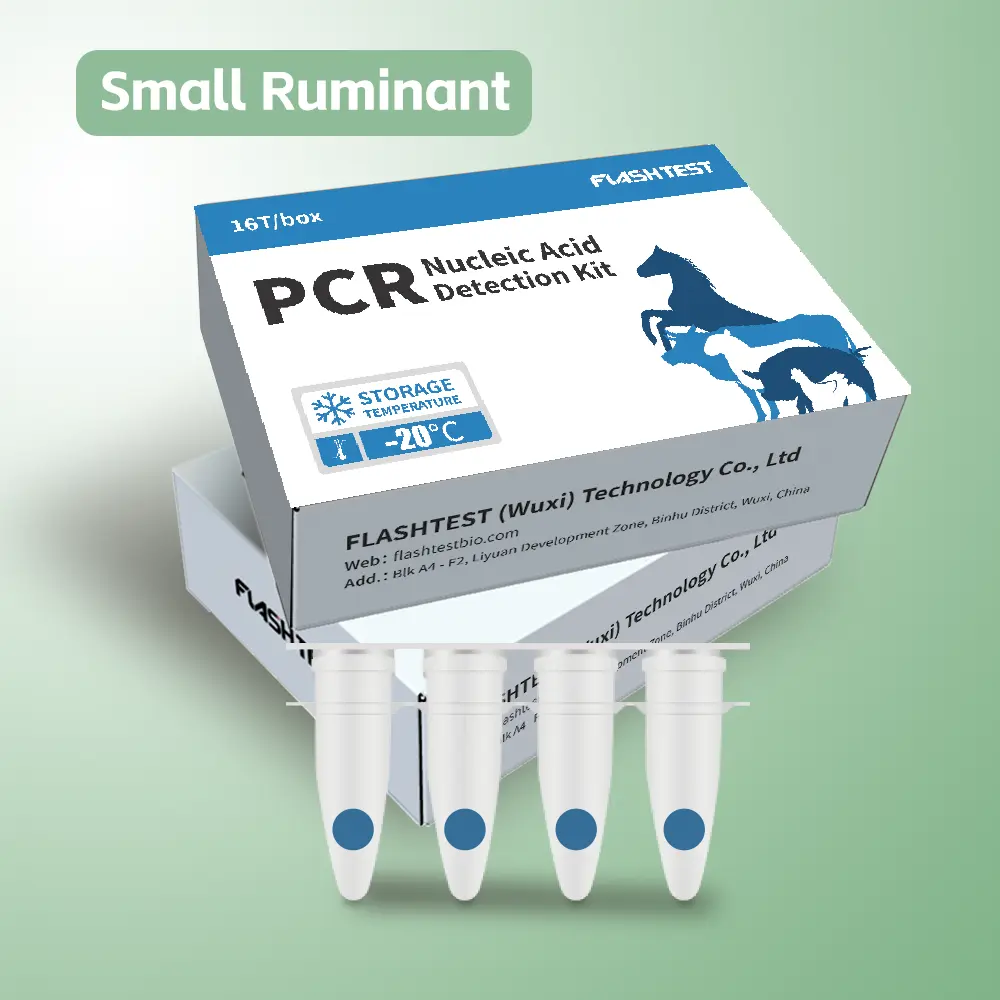
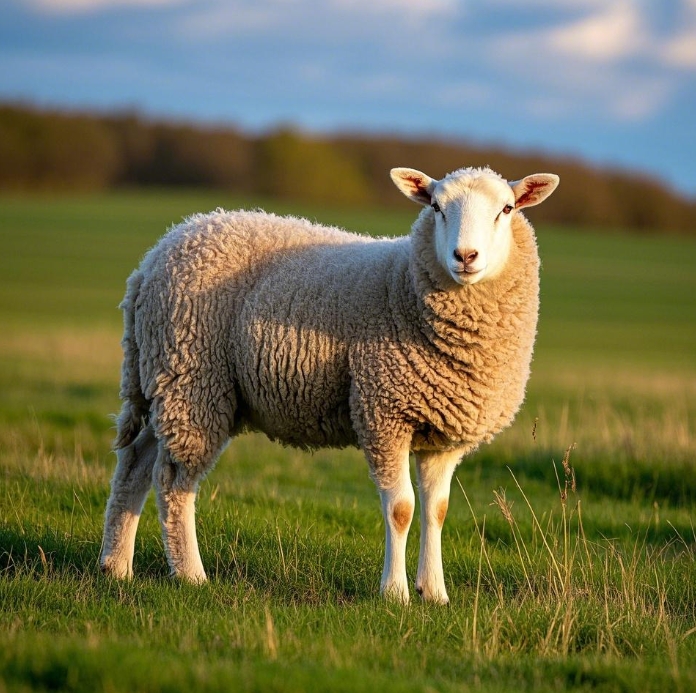
Sheep Orf Virus (ORFV) Nucleic Acid Test Kit (Lyophilized).webp

Symptoms 

  • Oral and Facial Lesions: Initially, small, red papules appear around the mouth, nose, lips, and eyes of infected sheep and goats. These papules quickly develop into vesicles filled with clear fluid. As the disease progresses, the vesicles rupture, forming ulcers covered with a thick, yellow - brown scab. The scabs are often firmly attached to the underlying tissue and can cause pain when the animals eat, drink, or move their mouths. In severe cases, the lesions can spread to the entire face, leading to difficulty in eating, excessive salivation, and weight loss due to reduced feed intake.

  • Foot Lesions: Some infected animals may also develop lesions on their feet, especially around the hooves and coronary bands. These lesions start as small blisters, which later burst and form scabs. Lameness is a common symptom associated with foot lesions, as the pain makes it difficult for the animals to walk normally. The lameness can further affect the animals' ability to graze and move around, leading to a decline in their overall health.

  • Udder Lesions (in Female Sheep and Goats): In lactating females, OV can infect the udder, causing the formation of vesicles and ulcers. This can lead to mastitis, with the udder becoming swollen, hot, and painful. The milk production is significantly reduced, and the quality of the milk may be compromised, affecting the growth and health of the lambs or kids that rely on the milk for nutrition.


Clinical Applications 

  • Early Diagnosis: The OV nucleic acid detection reagent allows for the rapid and accurate identification of the virus in the early stages of infection, even before the appearance of obvious clinical symptoms. This is crucial as early diagnosis enables timely isolation of infected animals, preventing the spread of the virus within the flock. For example, when a farmer notices a slightly abnormal appearance around the mouth of a few sheep, using the detection reagent can quickly determine whether OV is present.

  • Flock Screening: Regular screening of sheep and goat flocks using the OV nucleic acid detection reagent is an important part of disease prevention and control. It can help identify subclinical carriers, which are animals that are infected with the virus but do not show visible symptoms. By detecting these carriers, farmers can take appropriate measures such as culling or separating them from the healthy flock to reduce the risk of disease transmission.

  • Differential Diagnosis: Since the symptoms of OV infection can be similar to those of other diseases such as foot - and - mouth disease or other viral and bacterial infections, the nucleic acid detection reagent plays a vital role in accurate differential diagnosis. Veterinarians can use the reagent to distinguish OV from other pathogens, ensuring that the correct treatment and management strategies are implemented.

  • Quarantine and Import - Export Control: In the context of sheep and goat trade, both domestic and international, the OV nucleic acid detection reagent is used for quarantine purposes. It helps to ensure that the animals being transported or traded are free from OV, preventing the spread of the disease across regions. This is especially important for maintaining the health of disease - free areas and protecting the overall sheep and goat industry.


07.png

Features of Sheep Orf Virus (ORFV)

This farm animals PCR detection reagent screens for pathogens like Sheep Orf virus (ORFV). It uses drying technology for normal temperature transportation and frozen storage. Other key features include:

  • Disposable pipette, stable pipettor, simplified workflow

  • Internal reference genes are used to verify results, eliminating the need for guessing.

  • Freeze-dried form, transported at room temperature

  • Available in small, flexible packaging that can be ordered according to your needs


Specification of Sheep Orf Virus (ORFV)

BrandFLASH TEST
Product NameSheep Orf virus (ORFV) Nucleic Acid Test Kit (Lyophilized)
Product Code/Number3310
Specifications16Test/ Box
Testing ItemsSheep Orf virus (ORFV)
Testing TargetsSmall Ruminant
Minimum Detection Limit500 Copies/mL
PrecisionThe coefficient of variation (CV, %) of the Ct values is ≤5%.
Weight0.4kg


Product
Contact With Us
Tel:
+1-707-722-7066
Add:
Blk A4 - F2, Liyuan Development Zone, Binhu District, Wuxi, China

For any inquiries or queries regarding our animal lab test kits and in vitro diagnostic devices, please don't hesitate to reach out to us directly or fill out our online form. We are here to assist you and provide prompt responses to your questions.

Flashtest Blogs
Nov 20-2025
Why Modern Cardiac Troponin T Test Kits Are Essential for Rapid Cardiac Biomarker Screening
Early and accurate identification of cardiac injury has become one of the most critical tasks in emergency departments, outpatient centers, and clinical laboratories. As cardiovascular diseases contin...
Nov 20-2025
Understanding PCR Dog Testing Technology and Its Role in Canine Disease Control
In recent years, molecular diagnostics have reshaped the way veterinarians identify, monitor, and prevent infectious diseases in dogs. Among these diagnostic tools, the PCR dog test stands out as one ...
Nov 20-2025
How Modern Cat Antigen Tests Improve Feline Disease Management
Modern veterinary diagnostics are evolving quickly, and one of the most meaningful advances for pet clinics and cat owners is the improvement of the cat antigen test. As feline viral and bacterial inf...
Home